
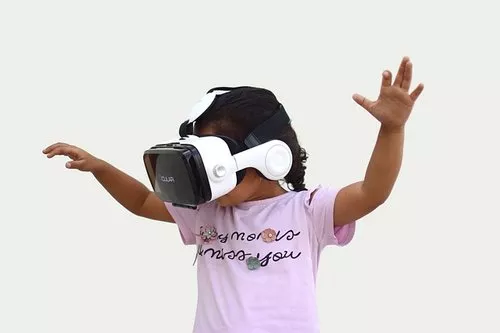
The future has arrived in classrooms. Students are gaining prominence at the expense of traditional teaching staff, who until now were limited to explaining a series of theoretical concepts for almost two hours, turning the class into a monologue that is only occasionally interrupted by a student asking them to please repeat the last sentence because they got lost while taking notes. The classic methodology is disappearing, and globalisation, technological innovation, the transformation of the labour market, and the arrival of new generations in it, call into question the current teaching system, making it less rigid and more participatory.
Firstly, the current role of the teacher is being questioned, moving from being a transmitter of information to a guide for their students who determines which activities they can or cannot engage in with them in acquiring knowledge. Secondly, the way of teaching. Increasingly innovative concepts have entered classrooms, and flipped learning, collaborative, practical, gamified, virtual and in-person learning, hyper-personalisation, and microlearning are the new teaching methods to which thousands of teachers are gradually adapting. The key to the success of these methods, characterised by the flexibility of the learning process, is based on the fact that traditional and rigid methods do not resonate with millennials, who are accustomed to constantly changing devices, causing a deficit of attention when they are asked to concentrate on a single activity for a determined period of time.
One of the most widely used methods in our country is blended or semi-face-to-face learning, which combines online and offline teaching through specialised portals and platforms. “Although digital was heavily emphasised before, schools made a large investment in devices, but now they realise that what’s important is how the tool is used,” states Lourdes Rodríguez, CEO of the consultancy Coolhunting Group. The most modern platforms in use in classrooms encourage bidirectional communication, Skype-style, but with more than one person at a time, interacting as if they were directly in the classroom.

Taking inspiration from educational institutions at the forefront of innovation, such as École 42 in Paris and Holberton School in San Francisco, where these and other learning methodologies are already being implemented, Immune is launching in Spain. This is the country's first institute where students of different ages and professions will be able to learn to code for free, thanks to collaborations with various companies that have joined the Immune project, investing in talent within this field.
Immune works based on a series of key principles, such as ascending learning, thus adapting to different levels of knowledge, and the participatory methodology, basing practical learning on peer-to-peer interaction. Furthermore, thanks to the trial-and-error system used within the institution, students learn through first-hand experience, thereby fostering creativity and the search for solutions, achieved through the synergies formed within the workgroup.
On the other hand, Immune offers different types of courses depending on the future student's profile and preferences: a Computer Entrepreneurship Program, lasting 3 years during which all kinds of skills related to those demanded in the market are taught; bootcamps, for professionals who want to refresh their knowledge with three-month courses; or Executive Management Courses, which consist of three weeks of specialisation. Another aspect that supports Immune's collaborative work mentality is the absence of professional or academic requirements to access the teachings provided, as they are based on the individual's aptitudes and not on their previous experience.
You can find more information about our project here.

 English (UK)