

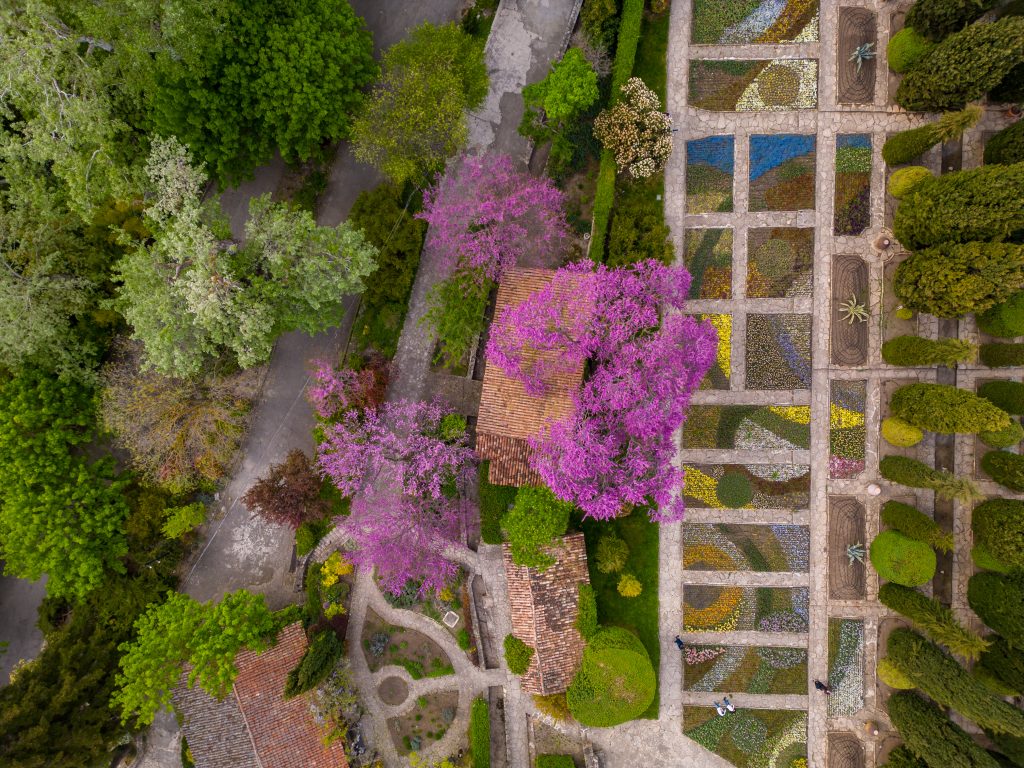
Digitalisation arrives in green spaces: the Quito Botanical Garden (JBQ), one of Ecuador's main biodiversity landmarks, faces the challenge of modernising its educational and scientific outreach proposal.
In a global context where the Sustainable Development Goals prioritise conservation and environmental education, this project proposes applying Artificial Intelligence to bring botany closer to visitors, researchers, and citizens, improving the educational experience and fostering citizen science.
Carried out by Daniel Mauricio Pacheco | María Cristina Armijos
Qualification Master's in Data Science & Business Analytics
Technologies Python | TensorFlow | OpenCV | Pandas | NumPy | Flutter
What is the motivation?
This project arises from the desire to harness artificial intelligence as a tool to bring botany closer to the public, promote environmental education, and strengthen biodiversity conservation.
- Develop a Machine Learning algorithm for accurate plant identification from images.
- Integrate the algorithm into an interactive mobile application for visitors and the scientific community.
- Modernise and enrich the experience educational and tourist in the JBQ.
- Create a technological foundation which allows for the collection and analysis of user data to design future business strategies.
Development
The research was carried out over 12 months by means of a Analytical observational study which combined a literature review, on-site and off-site data collection of species from the JBQ, and taxonomic analysis.
With these bases, a Image recognition algorithm Optimised with Machine Learning techniques to accurately classify plant species. The model has been implemented in a mobile application with open access, designed to support both environmental education and the Garden's strategic management.
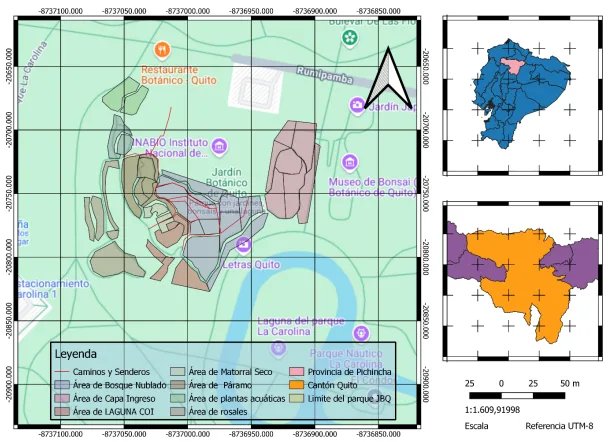
This project demonstrates how artificial intelligence can become a key ally for conservation, environmental education, and innovation in unique biodiversity spaces like the Quito Botanical Garden.
 English (UK)